Featured
Get This Report on Being Cautious Against Fraudulent Schemes
Table of Contents
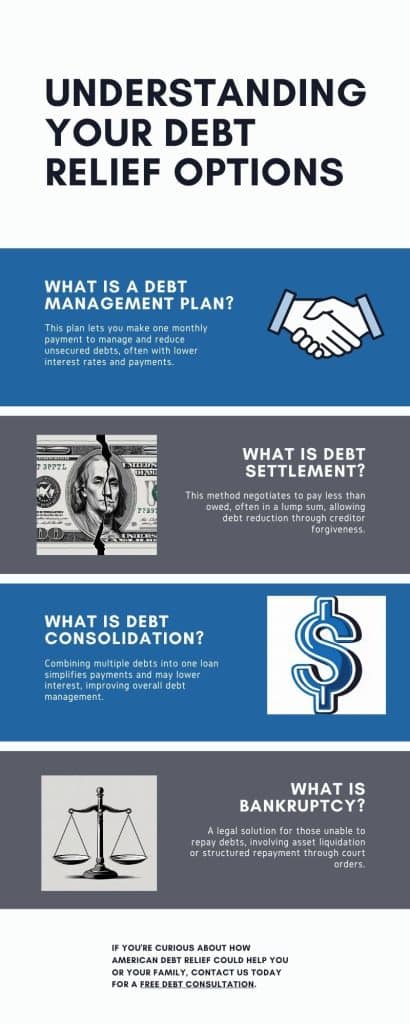
That maximizes money in the short term, and you might have three to four years to save towards the settlement amount. Really dangerous to credit report scores, primarily as a result of missed repayments and an adverse "worked out" mark that could stay on your credit history report for up to 7 yearsMay be only option if various other alternatives (debt loan consolidation, equilibrium transfer charge card, financial debt mercy) aren't possibleTypically calls for a charge to the 3rd celebration, which could counter some or all of the financial savings from financial debt settlementMay aid you stay clear of bankruptcy if you've missed a number of paymentsNot all financial institutions deal with financial debt settlement business Debt mercy may be ideal for you if you are experiencing a financial challenge that makes it virtually impossible to pay down your financial obligation equilibriums.
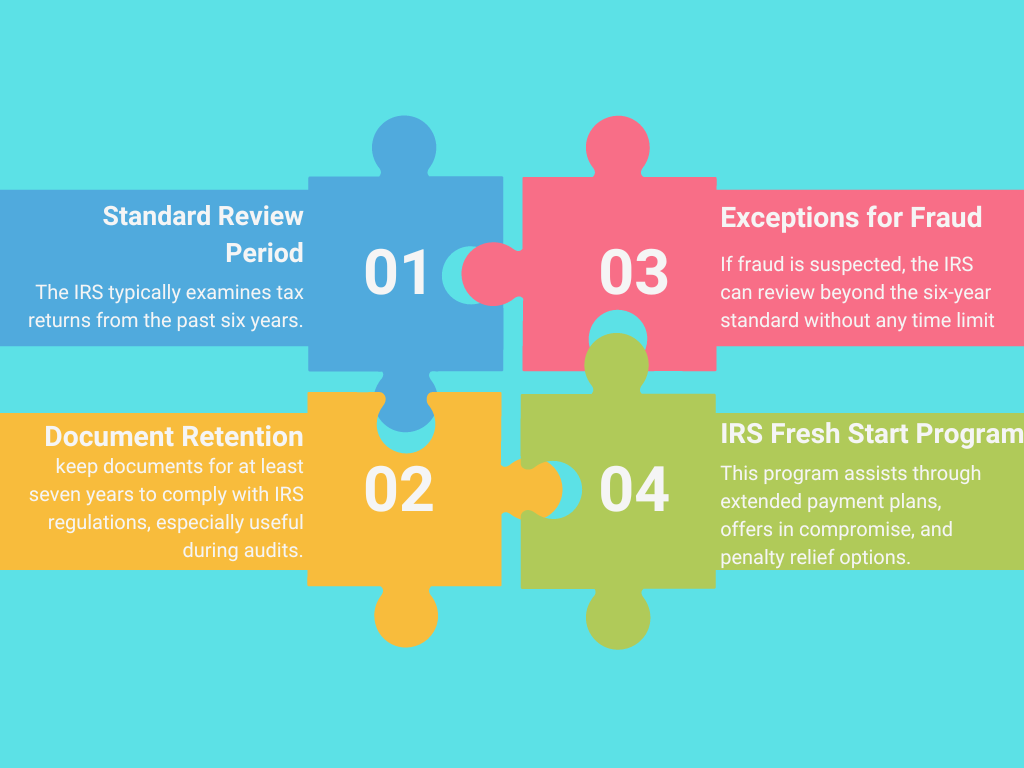
![Learn About IRS Debt Forgiveness Programs [Infographic] - Tax Group Center](https://wallstreetmojocms.recurpro.in/uploads/debt_relief_346b6aee58.png)
With a DMP, you make one regular monthly payment to the credit report therapy company. Those funds are then distributed to lenders of your unsafe financial debts, such as charge card and installment car loans. The agency collaborates with your financial institutions to lower passion prices or forgo fees, however some creditors might reject such giving ins.
It can assist you pay down debt if you're able to protect a financing price that's lower than the typical price of the accounts you're consolidating. You have to refrain from racking up financial debt on those freshly cleared accounts or your financial debt can grow also higher.
These cards often supply a 0% passion initial duration of as much as 21 months. That gives you lots of time to eliminate or dramatically decrease your equilibrium while making interest-free payments. For some people facing overwhelming financial obligation, insolvency may be the only way to quit collection procedures and legitimately settle their financial debts.
The Best Guide To Local Resources That Offer Financial Assistance
You might require it if your creditor or a debt collection agency ever before tries to accumulate on the financial debt in the future. The letter could verify you do not owe what the debt collection agency's records reveal. Yes, for the most part, the internal revenue service considers forgiven debt as taxable earnings. When a lender forgives $600 or more, they are needed to send you Kind 1099-C.
Financial debt mercy or settlement usually hurts your credit. Anytime you clear up a financial debt for much less than you owe, it might look like "settled" on your debt record and affect your credit rating for 7 years from the date of settlement. Your credit history can also go down considerably in the months causing the mercy if you drop behind on payments.
About What to Watch For When Evaluating a Debt Counseling Provider
This scenario frequently results from underreporting income, not filing returns on time, or inconsistencies discovered during an IRS audit. The repercussions of gathering tax debt are serious and can include tax obligation liens, which give the IRS a lawful case to your home as protection for the financial debt.
Earnings and Financial institution Accounts IRS can levy (seize) incomes and financial institution accounts to please the debt. Home Seizure In extreme situations, the IRS can seize and offer property to cover the financial obligation.
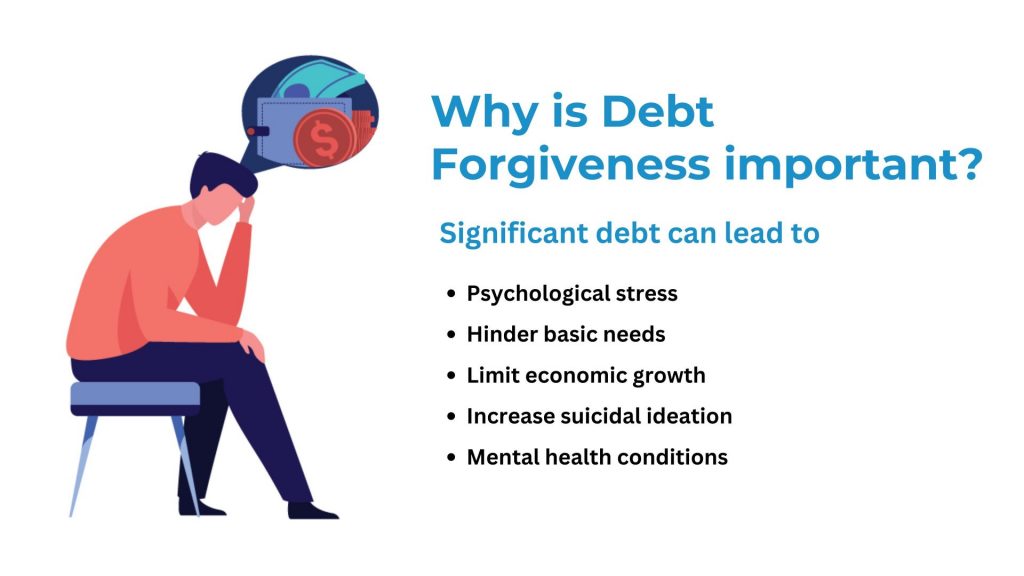
Clinical depression, anxiety, and various other psychological health concerns. Social Stigma Facing legal activity from the internal revenue service can bring social stigma. Damages to credibility and partnerships. Employment Opportunities A bad credit rating as a result of strain financial debt can limit employment chances. Difficulty finding or keeping a task. Government Advantages Tax obligation financial obligation might affect eligibility for federal government advantages, such as Social Protection and Medicaid.
Widespread False Beliefs Surrounding Debt Forgiveness - Questions
The OIC considers a number of factors, including the taxpayer's revenue, costs, asset equity, and ability to pay. Effectively working out an OIC can be intricate, requiring a detailed understanding of the IRS's standards and a strong disagreement for why your deal aligns with your capacity to pay. It's vital to note that not all applications are approved, and the process needs detailed monetary disclosure.
The IRS examines your general monetary circumstance, including your income, expenses, asset equity, and ability to pay. You should additionally be present with all declaring and payment demands and not be in an open personal bankruptcy proceeding. The internal revenue service also considers your compliance history, reviewing whether you have a record of prompt declaring and paying tax obligations in previous years.
All about Is It Worth to Invest in Professional Debt Counseling
The application procedure for an Offer in Concession entails a number of detailed steps. You should complete and submit IRS Type 656, the Offer in Compromise application, and Form 433-A (OIC), a collection info statement for people. These forms call for comprehensive financial information, including information about your revenue, financial obligations, expenses, and properties.
Back taxes, which are overdue tax obligations from previous years, can considerably boost your complete IRS financial obligation if not addressed without delay. This debt can accumulate interest and late payment charges, making the original amount owed much larger with time. Failing to pay back tax obligations can cause the IRS taking enforcement actions, such as issuing a tax lien or levy against your residential or commercial property.
It is very important to deal with back tax obligations asap, either by paying the complete amount owed or by setting up a layaway plan with the internal revenue service. By taking proactive actions, you can stay clear of the accumulation of extra interest and fines, and stop much more aggressive collection actions by the IRS.
One common reason is the belief that the taxpayer can pay the complete quantity either as a round figure or through a settlement strategy. The internal revenue service also takes into consideration the taxpayer's earnings, costs, property equity, and future earning capacity. If these aspects indicate that the taxpayer can manage to pay greater than the offered amount, the IRS is likely to decline the deal.
Private Debt Forgiveness Organizations Reviewed Things To Know Before You Get This
Dealing with IRS financial obligation can be complicated and difficult. Tax professionals, such as Certified public accountants, tax obligation attorneys, or registered representatives, can give very useful help.

Table of Contents
Latest Posts

Indicators on Sector Trends in Debt Forgiveness Solutions You Should Know
What Legislation Guarantees While Undergoing Debt Relief - Questions

More About The Benefits and Drawbacks When Considering Bankruptcy
More
Latest Posts
Indicators on Sector Trends in Debt Forgiveness Solutions You Should Know
What Legislation Guarantees While Undergoing Debt Relief - Questions
More About The Benefits and Drawbacks When Considering Bankruptcy